Dog Vitamins & Supplements: What Do Dogs Need?
Discover the benefits of vitamins and supplements for your dog's well-being. Consult our experts to ensure your pet receives the right nutrition.
Dog Vitamins & Supplements: What Do Dogs Need?
For most dogs consuming a complete and balanced diet, additional vitamin and mineral supplements are typically unnecessary. However, certain health concerns and overall well-being may necessitate the use of supplements. If you suspect your dog has specific nutritional needs, it's crucial to consult our doctors at Willow Glen Pet Hospital, who can help you determine the best supplements tailored to your dog's unique health requirements.
What Are Nutritional Supplements for Dogs?
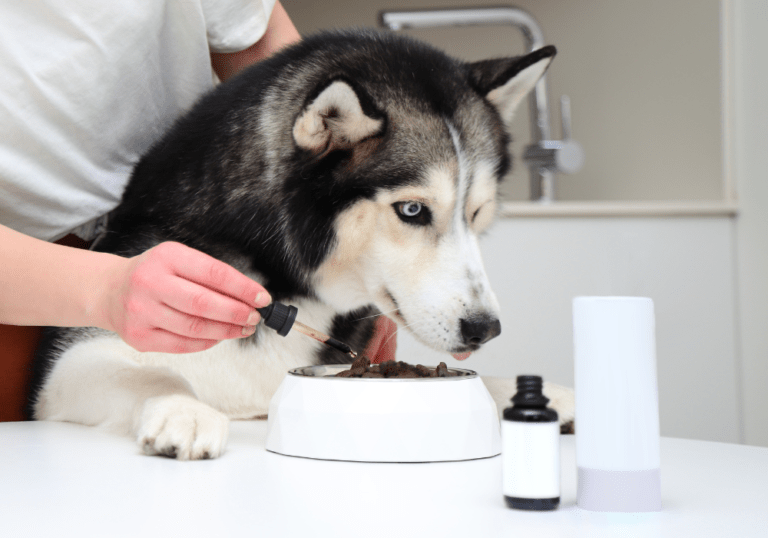
Nutritional supplements for dogs are designed to provide essential vitamins, minerals, and nutrients blended in appropriate proportions to address specific health needs. These supplements come in various forms, including powders, chewable tablets, liquids, or soft chews. Alongside active ingredients, they contain inactive components that enhance flavor or maintain the supplement's structure, ensuring it remains effective and palatable.
Vitamins vs. Supplements
The distinction between vitamins and supplements is vital for dog owners. Individual vitamins and minerals are single-source nutrients, while multivitamin or multimineral formulations combine multiple vitamins, dietary minerals, and other nutrients in dosages that meet minimum daily requirements. For instance, Vitamin A for dogs contains only Vitamin A, whereas a multivitamin includes several nutrients, such as B vitamins and essential minerals like calcium and zinc.
When considering supplements, ensure they adhere to quality control standards set by the National Animal Supplement Council (NASC).
Can Dogs Take Human Vitamins?
While certain vitamins are essential for both dogs and humans, the recommended dosages differ. Always check with our doctors at Willow Glen Pet Hospital before administering human vitamins or minerals to your dog.
What Vitamin and Mineral Supplements Do Dogs Need?
Dogs require 12 essential vitamins and 11 essential minerals to thrive, each fulfilling a specific function. High-quality dog foods are typically formulated to provide all necessary vitamins and minerals in appropriate proportions. However, certain circumstances may warrant supplementation.
A dog's nutritional needs change with age. Puppies have different requirements than adult dogs, and senior dogs may benefit from supplements targeting joint, immune, or cognitive health.
Signs Your Dog May Need Supplements
Common concerns among dog owners include questions like, "What supplements should I give my dog?" If your dog is showing specific health issues—such as joint pain, anxiety, skin problems, or cognitive decline—consult our doctors at Willow Glen Pet Hospital for tailored advice.
Types of Supplements for Dogs
Here are several beneficial supplements that can support your dog's health:
1. Joint Health for Dogs:
Joint health supplements are crucial for maintaining mobility, especially in older dogs or breeds prone to joint issues. Supplements containing glucosamine, chondroitin, and omega-3 fatty acids can promote joint comfort and mobility.
2. Calming Supplements for Anxious Dogs:
Dogs exhibiting anxiety or nervousness may benefit from calming supplements that include ingredients like chamomile and L-theanine. Veterinary-grade calming supplements can help your dog cope with stressors.
3. Skin and Coat Supplements:
Healthy skin and coat are indicators of overall health. Supplements with vitamin E, omega-3 fatty acids, and minerals can improve skin condition.
4. Brain Health Supplements:
Keeping your dog's mind sharp as they age is essential. Brain health supplements enriched with medium-chain triglycerides and antioxidants can help support cognitive function.
5. Digestive Health Supplements:
Probiotic and prebiotic supplements can promote a healthy gut microbiome, aiding digestion and immune health.
6. Heart Health Supplements:
Heart health supplements that include taurine and vitamin E can support your dog's cardiovascular function.
7. Immune Support Supplements:
Immune supplements containing antioxidants and vitamin C can help bolster your dog's natural defenses.
8. Dental Supplements:
Dental chews and supplements are vital for maintaining oral health by reducing tartar and plaque buildup.
Conclusion
If your dog is struggling with specific health issues, consulting our doctors at Willow Glen Pet Hospital is essential to assess whether supplementation is appropriate or if alternative treatments are necessary. By providing the right vitamins and minerals, you can help your dog enjoy a happier, healthier life.
If you need more help or have any questions, call us at Willow Glen Pet Hospital, visit us online at willowglenpethospital.com, or reach us at (669) 342-7472.
Address: 1033 Willow Street, San Jose, CA, 95125, US
Hours: Monday – Saturday 8:00 am – 6:00 pm.
Doctors: Dr. Gillon or Dr. Shani.